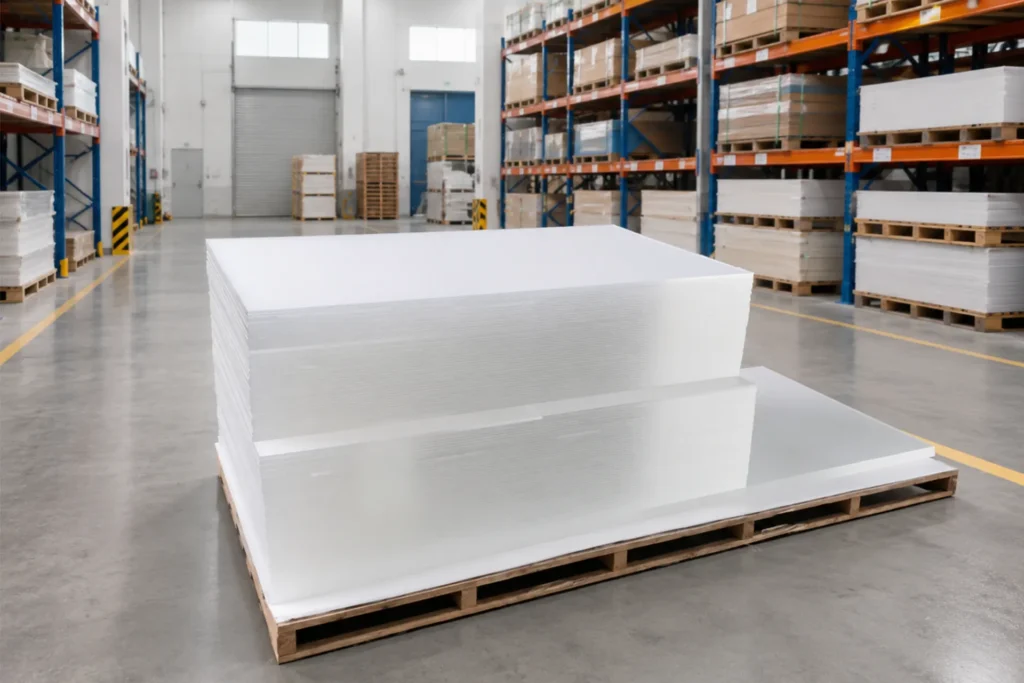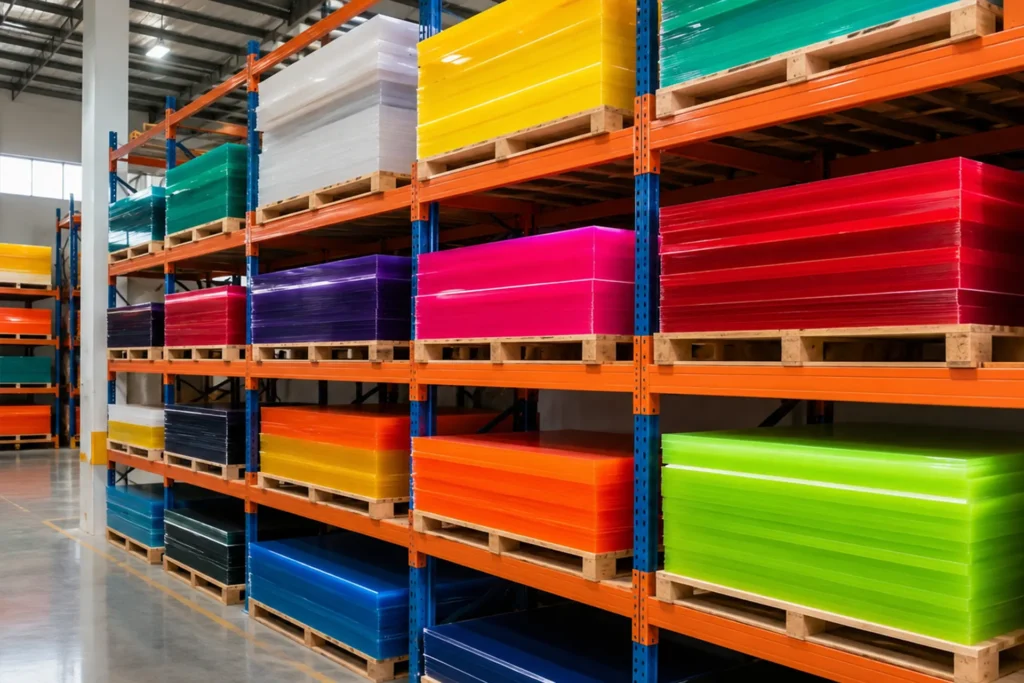
Acrylic sheets are widely used in signage, retail displays, furniture, architectural decoration, and custom fabrication because of their excellent thermoforming performance. Compared with glass, acrylic is lightweight, impact-resistant, and much easier to bend into various shapes.
However, improper heating or low-quality acrylic materials may cause bubbles, whitening, deformation, or cracking during bending.
In this guide, we will explain how to bend acrylic sheets correctly, common bending methods, processing tips, and how high-quality materials from ClearTrust Acrylic help achieve cleaner and brighter bending results.
Why Acrylic Sheets Are Ideal for Thermoforming
Acrylic (PMMA) softens when heated and can be reshaped into curved or angled forms without losing its transparency.
This makes acrylic sheets ideal for:
Display stands
LED signage
Furniture panels
Protective covers
Cosmetic displays
Architectural decoration
Light boxes
ClearTrust acrylic sheets are specially designed for stable thermoforming and fabrication performance, providing smooth bending surfaces and excellent optical clarity after heating.
Common Acrylic Bending Methods
Different projects require different thermoforming techniques.
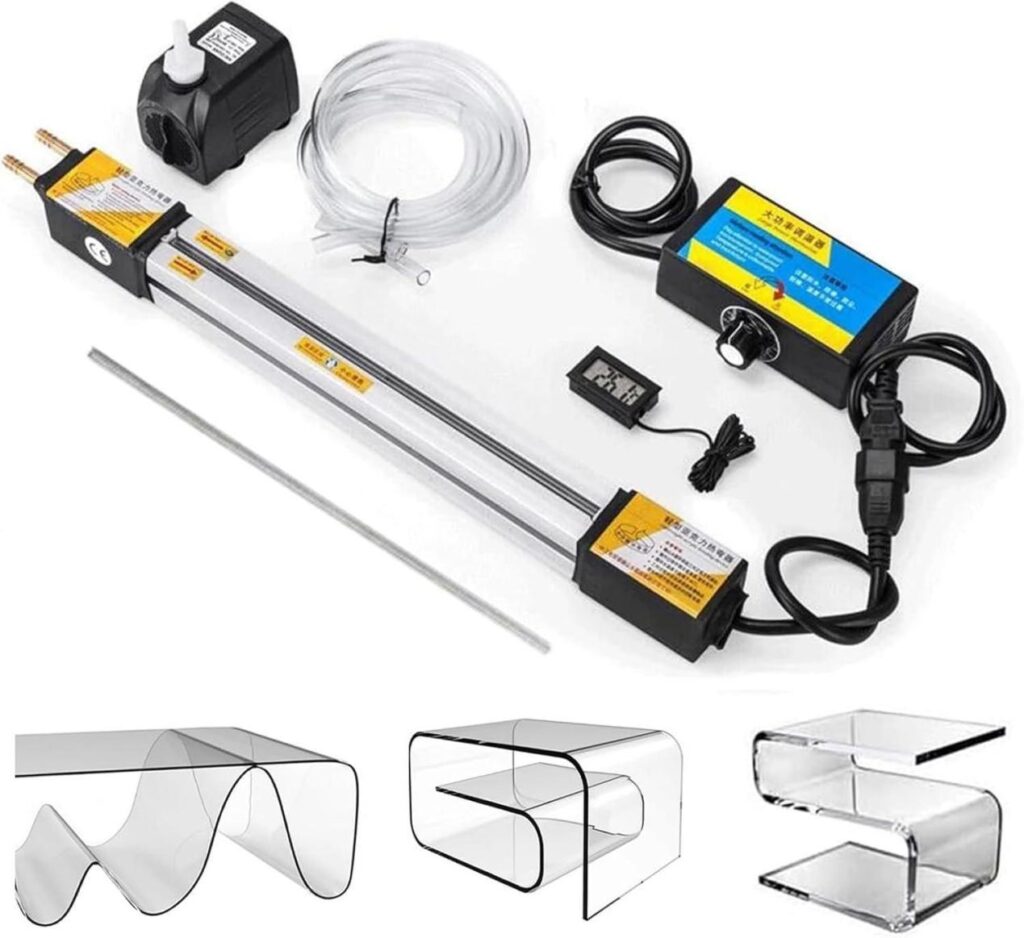
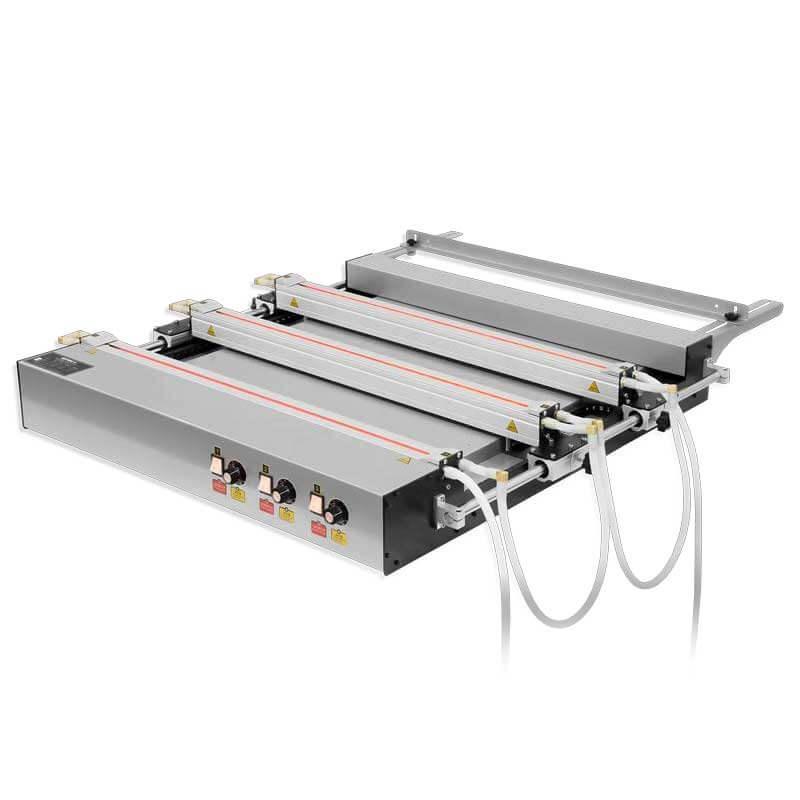
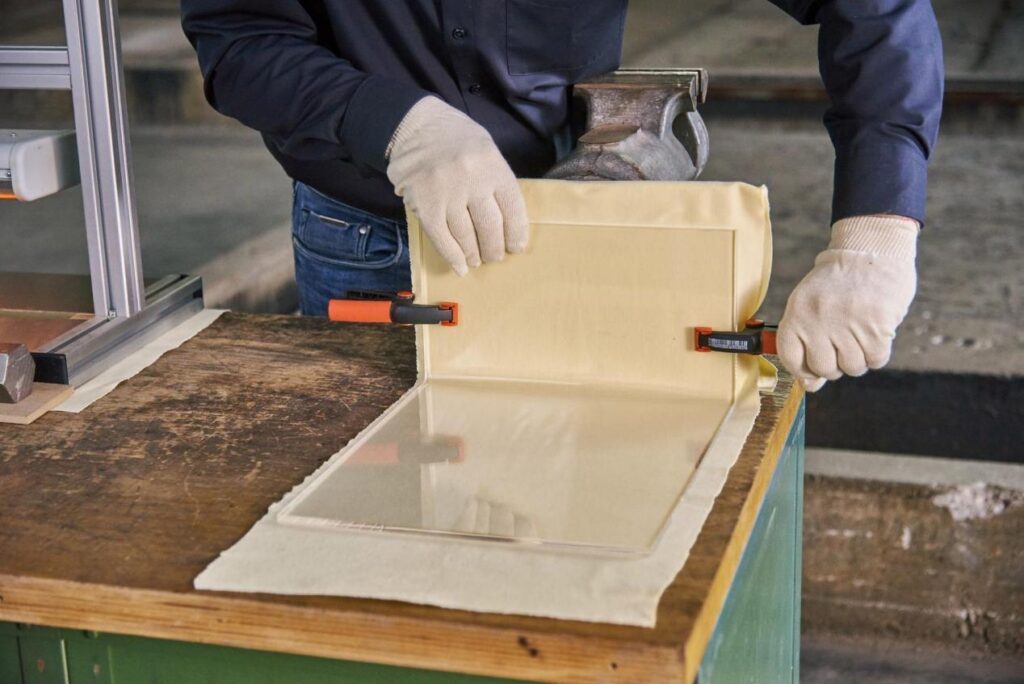
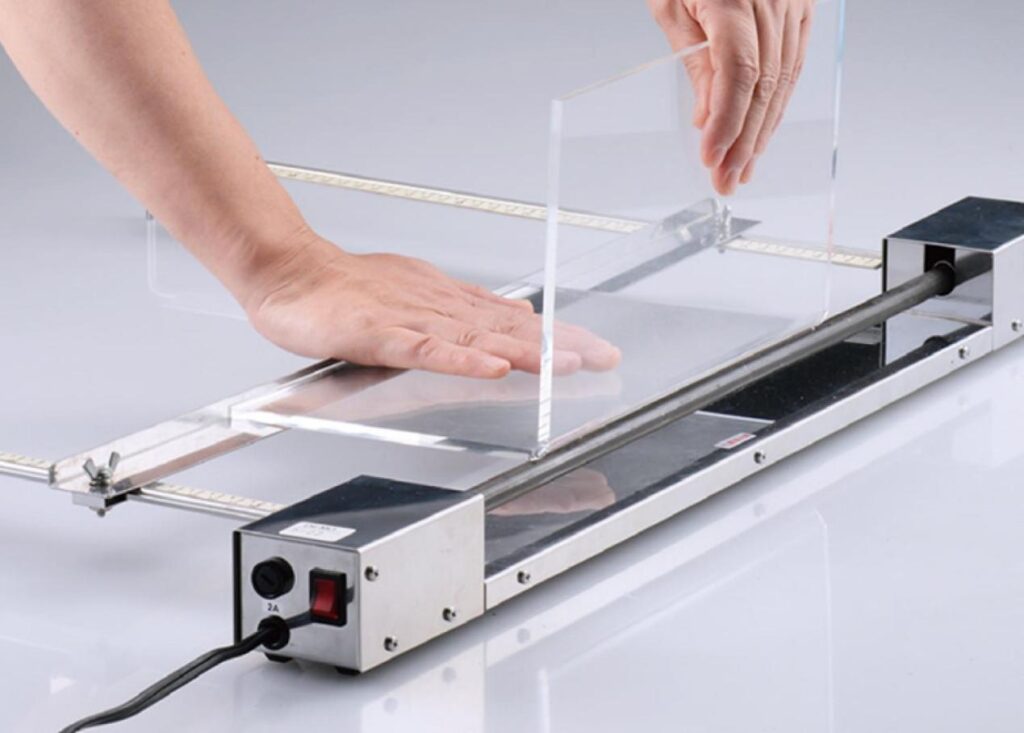
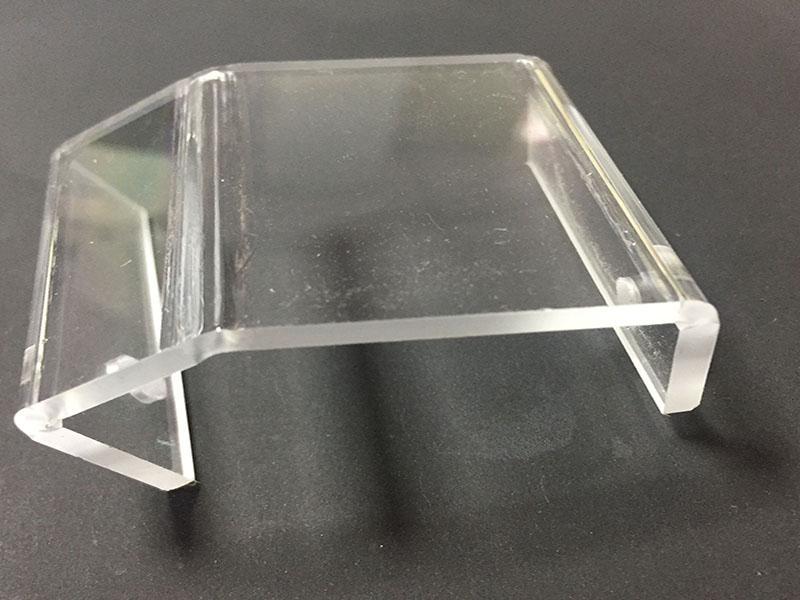
1. Line Bending Acrylic Sheets
Line bending is one of the most common acrylic processing methods.
A heating strip warms a straight line on the acrylic sheet until it becomes flexible enough to bend.
Advantages
Fast processing
Clean bending lines
Cost-effective
Suitable for mass production
Best Applications
Acrylic display stands
Brochure holders
Retail fixtures
Sign holders
ClearTrust acrylic sheets maintain smooth surfaces and bright edges after line bending, helping create more professional finished products.
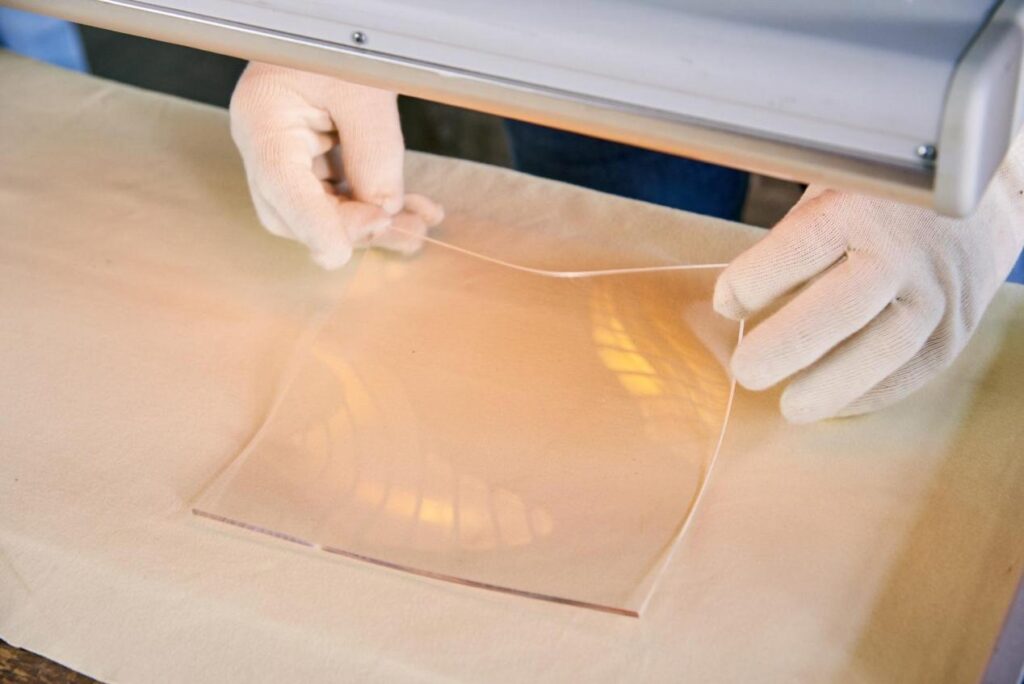
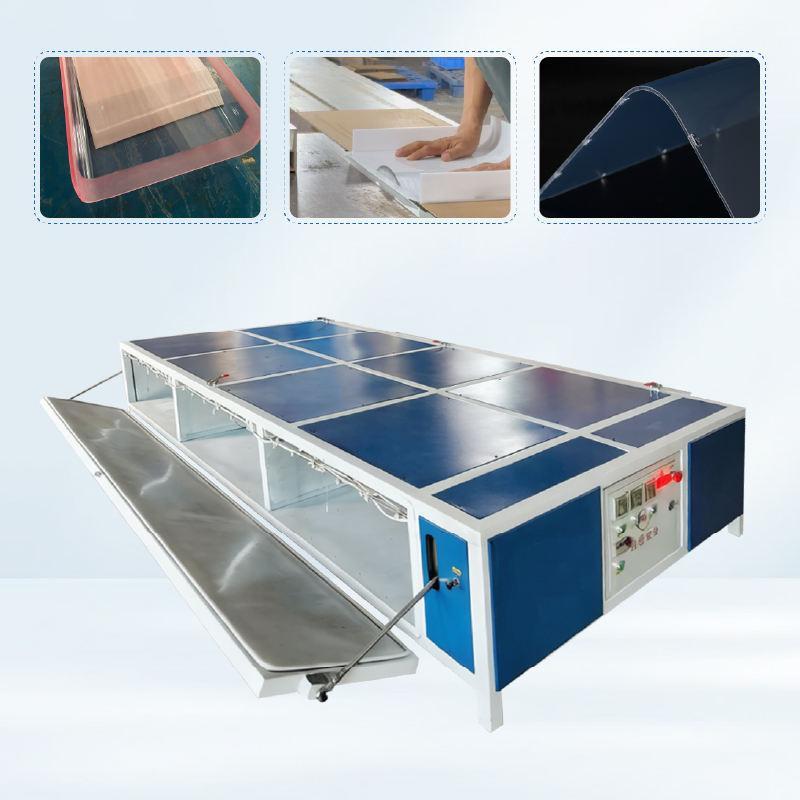
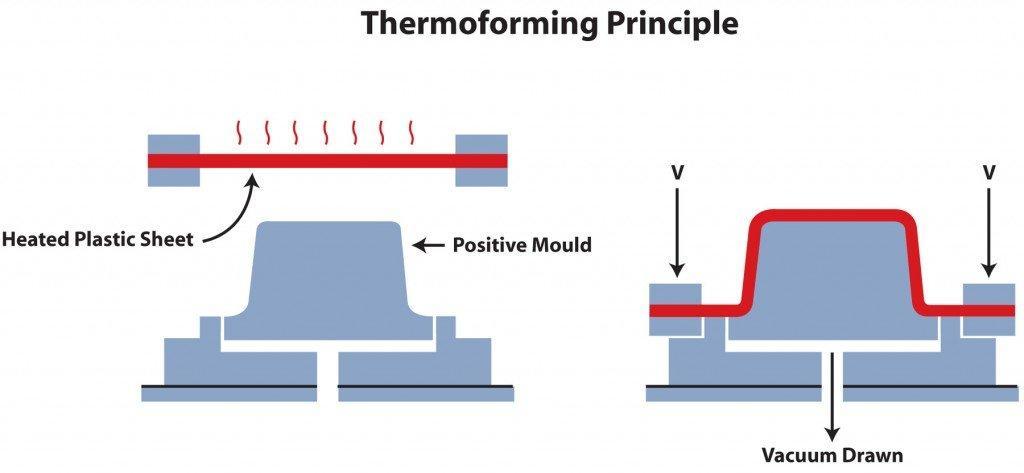
2. Oven Thermoforming
Oven thermoforming heats the entire acrylic sheet evenly before shaping it with molds.
Advantages
Suitable for complex shapes
Smooth curves
Uniform heating
Better for thicker sheets
Best Applications
Dome covers
Furniture components
Automotive parts
Decorative panels
With low internal stress and stable thickness tolerance, ClearTrust acrylic sheets reduce the risk of deformation and bubbling during thermoforming.
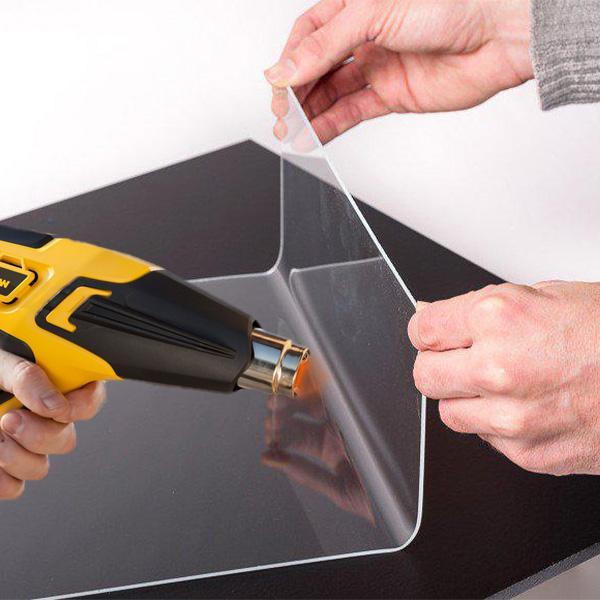
3. Hot Air Bending
Hot air bending uses a heat gun or hot air system to soften local areas of the acrylic sheet.
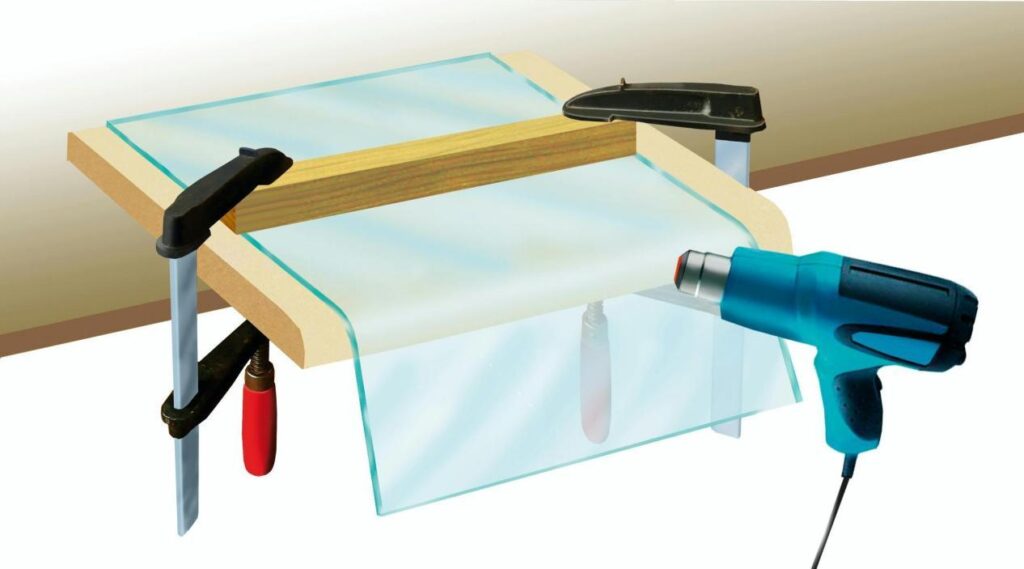
Advantages
Flexible processing
Suitable for small projects
Easy manual adjustment
Disadvantages
Heating may become uneven
Requires operator experience
Best Applications
DIY fabrication
Custom acrylic products
Prototype production
Why Material Quality Matters During Bending
The bending result depends heavily on acrylic sheet quality.
Low-quality acrylic sheets may develop:
Bubble marks
Whitening
Stress cracking
Yellowing
Uneven bending
ClearTrust acrylic sheets are manufactured using high-quality PMMA raw materials and optimized casting processes, ensuring excellent fabrication stability during heating and bending.
ClearTrust Acrylic Advantages for Processing
Excellent Optical Clarity
ClearTrust acrylic sheets maintain high transparency after bending and thermoforming, creating bright and elegant finished products.
Low Internal Stress
Reduced internal stress helps minimize cracking and edge whitening during heating.
Stable Thickness Tolerance
Consistent thickness improves heating uniformity and bending accuracy.
Smooth Surface Quality
The smooth surface creates cleaner visual effects after fabrication.
Excellent Fabrication Compatibility
Suitable for:
Thermoforming
Laser cutting
CNC routing
Flame polishing
Engraving
Vacuum forming
Recommended Temperature for Acrylic Bending
The ideal forming temperature for acrylic sheets is usually between:
| Process | Recommended Temperature |
| Line Bending | 150–170°C |
| Thermoforming | 160–180°C |
| Vacuum Forming | 140–170°C |
Proper temperature control helps prevent overheating and material damage.
Common Problems During Acrylic Bending
| Problem | Possible Cause |
| Bubble formation | Excessive heat or moisture |
| Whitening | Overbending or stress |
| Cracking | High internal stress |
| Uneven curves | Inconsistent heating |
| Yellowing | Overheating |
Using high-quality acrylic sheets can significantly reduce these issues.
Tips for Better Acrylic Bending Results
Remove Moisture Before Heating
Moisture inside acrylic sheets may cause bubbles during thermoforming.
Heat Evenly
Uneven heating can create stress marks or distortion.
Avoid Excessive Temperature
Overheating may cause:
Yellowing
Surface deformation
Optical distortion
Use High-Quality Acrylic Sheets
Premium acrylic materials provide:
Cleaner bending lines
Better transparency
More stable forming performance
Lower defect rates
Bright and Professional Thermoformed Acrylic Products
High-quality thermoforming can create smooth curves, glossy surfaces, and premium visual effects that enhance the value of acrylic products.
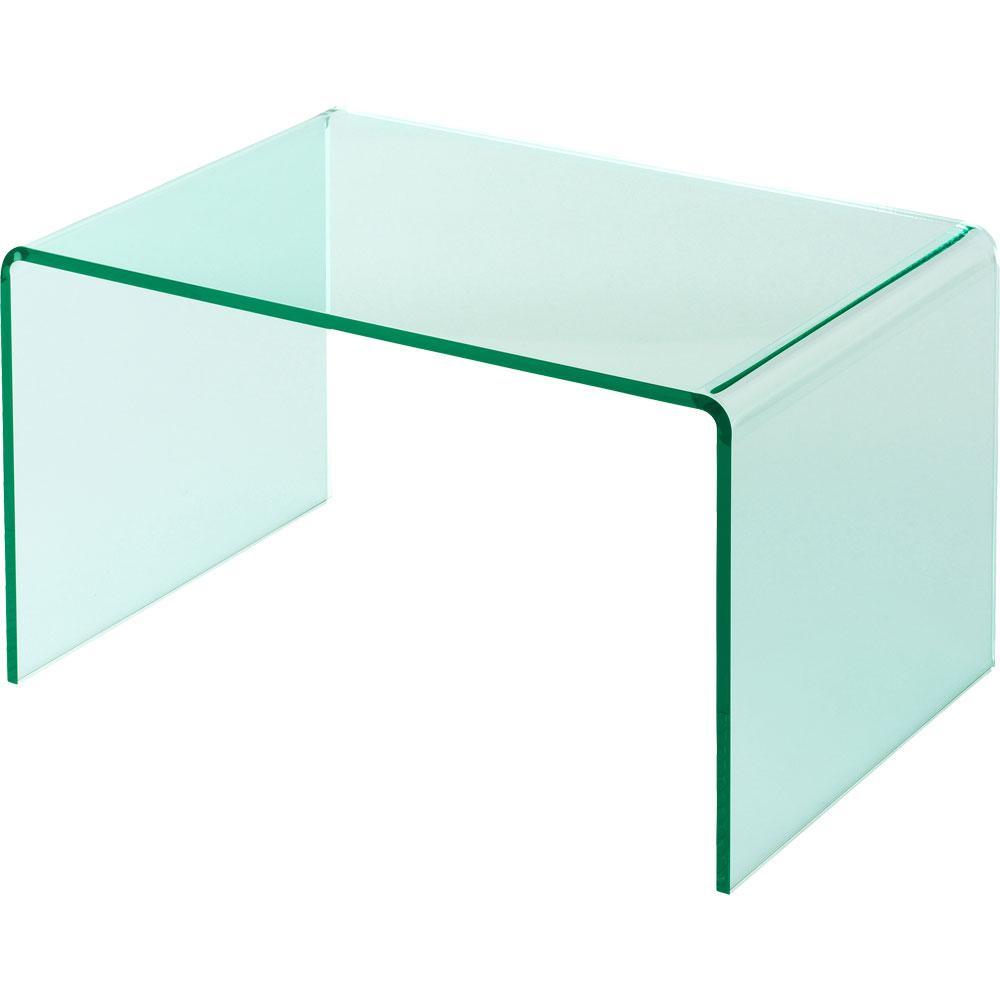
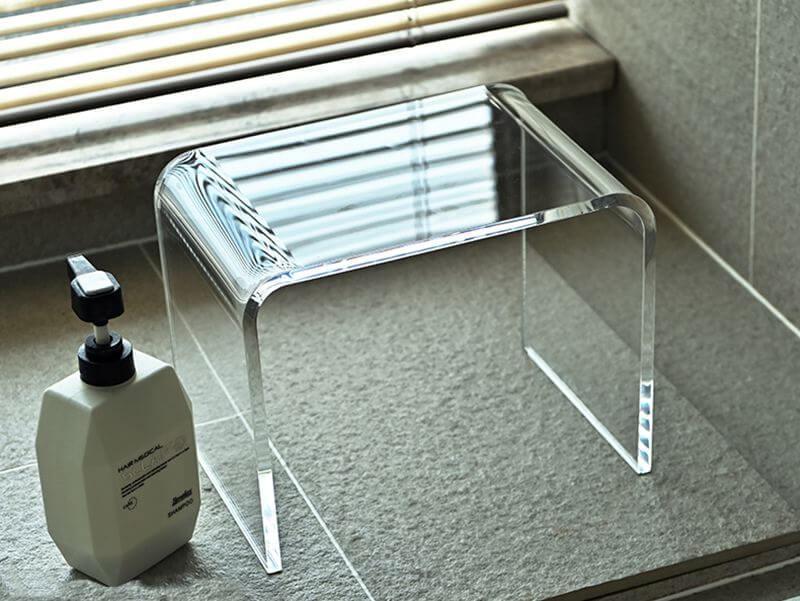
At ClearTrust Acrylic, we focus on producing acrylic sheets with excellent thermoforming performance, stable quality, and outstanding optical clarity to help customers create brighter, cleaner, and more professional acrylic products.
Final Thoughts
Acrylic bending and thermoforming are essential fabrication processes for modern display, furniture, and decorative applications.
Choosing the right bending method — together with high-quality acrylic sheets — helps achieve smoother curves, cleaner edges, and better transparency.
ClearTrust acrylic sheets are designed to provide reliable processing performance for professional fabrication and premium finished products.
If you are looking for customized acrylic sheet solutions or processing support, welcome to contact the ClearTrust team.