Introduction
Acrylic sheets are widely used in retail displays, signage, furniture, protective barriers, and architectural applications due to their excellent transparency and durability.
However, improper cleaning methods can lead to scratches, haze, and reduced clarity over time.
In this guide, we’ll explain the safest way to clean acrylic sheets, common cleaning mistakes to avoid, and how proper maintenance helps preserve the appearance of acrylic products for years.
Why Proper Acrylic Cleaning Matters
Unlike glass, acrylic has a softer surface that can be damaged by abrasive materials or harsh chemicals.
Regular and proper cleaning helps:
Maintain optical clarity
Prevent surface scratches
Extend product lifespan
Preserve professional appearance
Reduce replacement costs
Common Contaminants on Acrylic Surfaces
Dust and dirt
Fingerprints
Grease and oils
Water spots
Manufacturing residues
Outdoor pollutants
What Should Never Be Used on Acrylic?
Many household cleaning products are not suitable for acrylic.
Avoid:
Ammonia-based cleaners
Glass cleaners
Alcohol-based chemicals
Acetone
Strong solvents
Abrasive sponges
Paper towels
These materials may cause surface damage, cloudiness, or micro-cracks.
Best Way to Clean Acrylic Sheets
Step 1: Remove Loose Dust
Before wiping, gently remove dust using:
Compressed air
Clean water rinse
Soft microfiber cloth
This prevents dust particles from scratching the surface.
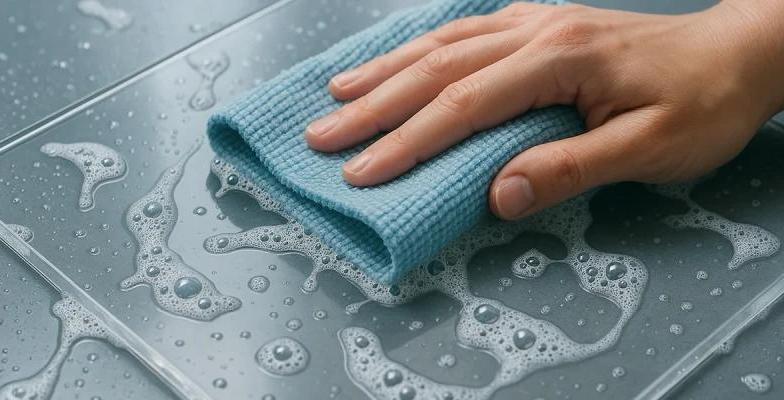
Step 2: Prepare a Mild Cleaning Solution
Use:
Warm water
Mild dish soap
Mix gently to create a safe cleaning solution.
Step 3: Wipe Carefully
Use a clean microfiber cloth.
Wipe with light pressure in straight motions.
Avoid excessive rubbing.
Step 4: Rinse and Dry
Rinse with clean water.
Dry using a fresh microfiber cloth.
Result:
The acrylic surface remains clear, glossy, and free from damage.
How to Remove Fingerprints and Grease
For stubborn fingerprints:
Use a specialized acrylic cleaner.
Apply cleaner to the cloth instead of directly onto the sheet.
Buff gently until clean.
Cleaning Outdoor Acrylic Installations
Outdoor acrylic products accumulate more dirt and contaminants.
Recommended maintenance schedule:
Monthly cleaning for signage
Quarterly inspection for scratches
Immediate removal of bird droppings and pollutants
Regular maintenance helps preserve appearance and transparency.
Common Acrylic Cleaning Mistakes
Using Glass Cleaner
Many glass cleaners contain ammonia, which can damage acrylic.
Using Paper Towels
Paper fibers can create fine scratches.
Dry Wiping Dust
Dust particles act like sandpaper when rubbed against the surface.
Applying Excessive Pressure
Heavy pressure increases the risk of scratching.
Why Acrylic Quality Affects Maintenance
High-quality acrylic is easier to maintain because it features:
Better surface smoothness
Improved optical clarity
More consistent thickness
Lower internal stress
Premium acrylic products retain their appearance longer.
ClearTrust Acrylic Advantages
At ClearTrust Acrylic, we manufacture acrylic sheets designed for long-term visual performance.
Excellent Surface Finish
Smooth surfaces reduce dirt accumulation.
High Optical Clarity
Provides crystal-clear transparency.
Superior Durability
Maintains appearance after repeated cleaning.
Reliable Quality Consistency
Ensures easier maintenance across all applications.
Final Thoughts
Proper cleaning is one of the simplest ways to extend the life of acrylic products.
Using the correct cleaning materials and techniques helps maintain transparency, reduce scratches, and keep acrylic looking like new.
ClearTrust Acrylic provides premium acrylic sheet solutions engineered for durability, easy maintenance, and long-lasting beauty.